




![Alberto Beingolea: “If they insist on not giving [the powers], they are complicating life for Peru”](https://insightermedia.com/wp-content/uploads/2026/09/bb3fa9e11304ea13fe2cd333955007bc-150x150.webp "Alberto Beingolea: “If they insist on not giving [the powers], they are complicating life for Peru”")



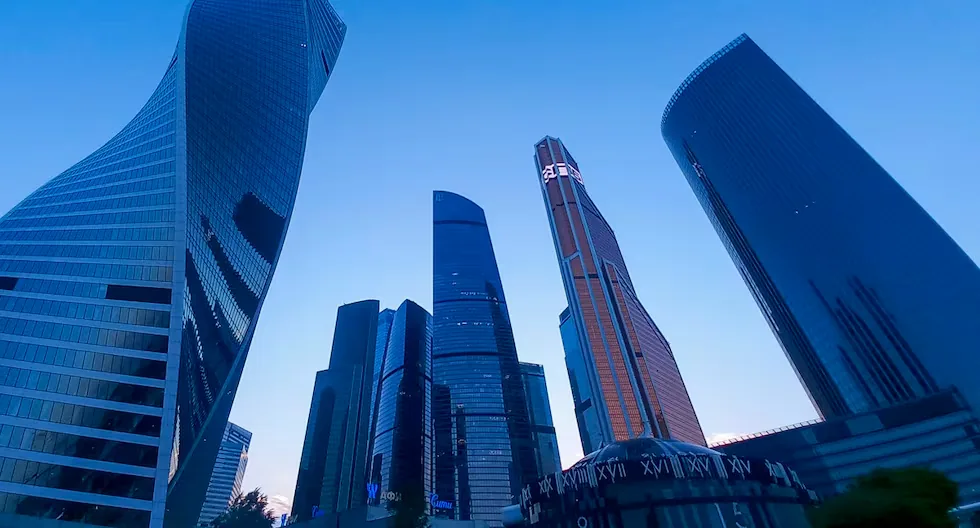
The Russians began voting this Friday in the legislative elections with an alarming budget deficit due to the military campaign in Ukraine and high interest rates, criticized by both the government and the business community.
According to the Russian Ministry of Finance, between January and August of this year the deficit amounted to 5.79 trillion rubles (68.706 billion dollars), 2.5% of the gross domestic product (GDP), when around 40% of the budget is dedicated to defense and national security.
The growing hole in the budget
This situation is worsened by Ukrainian attacks on critical Russian infrastructure, particularly refineries, which has taken a toll on the domestic market by causing a severe shortage of gasoline and diesel nationwide.
This has not only resulted in an increase in fuel prices and long lines at gas stations that have become a daily sight, but has also affected Russian crude oil exports.
So much so that, even despite the high prices of hydrocarbons on the international market, driven up by the war in Iran, the Russian state’s revenues in this area fell by 16.7% or 5.02 trillion rubles (59.506 billion dollars).
The balance between revenues (which grew 9.2% year-on-year) and expenses (+14.7% year-on-year) looks negative, and the deficit has already exceeded Finance’s estimates for 2026 by 50% – which calculated it at 3.8 trillion rubles (45.054 billion dollars), 1.6% – and according to experts it could reach 3% of GDP.
A black hole that the Government has partially covered thanks to the increase of VAT to 22% since last January, which meant a 25% year-on-year increase in tax revenues to the budget to the level of 9.8 trillion rubles (116.191 billion dollars).
Credit and financial pulse
In this context, the Central Bank of Russia (CBR) chose to maintain interest rates at 14% after several consecutive cuts, citing pro-inflationary risks caused by the gasoline shortage and sanctions.
This decision was criticized by the Russian Ministry of Economic Development, Russian businesspeople, and even the state bank Sberbank, sanctioned by the West
The Ministry stated in a communiqué that the CBR’s decision “reflects the difficult balance between inflationary risks and the economy’s need for stimuli for its growth,” and that “timely easing will be a key factor to relaunch the investment cycle” in Russia.
For his part, the head of the Union of Entrepreneurs and Industrialists of Russia, Alexandr Shojín, called this decision “not positive” and the outlook “alarming,” noting that this process “slows down” progress toward the 4% inflation target set by the CBR.
“More than half of the surveyed companies (…) foresee an economic slowdown,” he said.
Sberbank director Guerman Gref went further and stated that the Russian economy is “freezing” due to the “significant reduction in business climate indicators during the summer of 2026,” as well as unemployment, consumption, and gross fixed capital formation levels, and called for support for companies to increase investments.
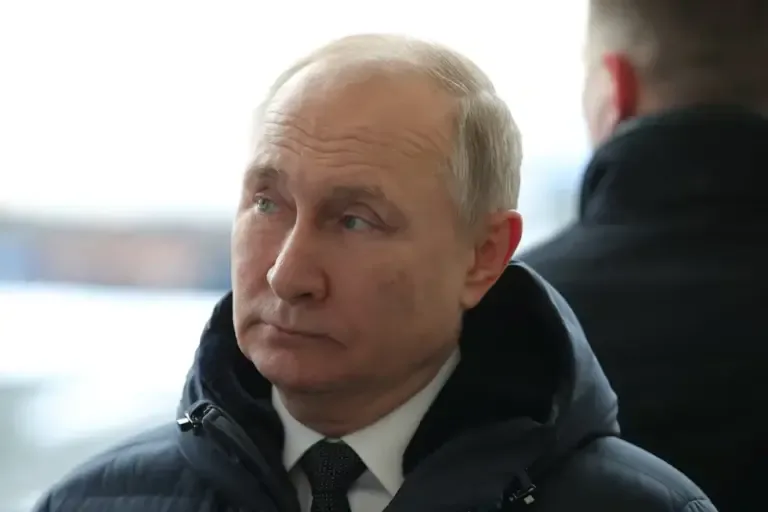
All this in the context of Western sanctions: Russian President Vladimir Putin recalled in his recent speech at the BRICS summit held in India that “more than 30,000 sanctions have been imposed against Russia.”
“It is almost double all those imposed against the rest of the world,” he said.
The Russians pay the price
Despite this complex situation, Putin assured his BRICS colleagues that “structural changes have been implemented in the Russian economy that have made it stronger, more stable, and flexible.”
“As a result, in the previous three years, economic growth rates in Russia exceeded the world average, and from 2023 to 2025, GDP increased by 10.3%,” he said.
However, this situation has impacted the pockets of Russians, according to the Russian Center for Macroeconomic Analysis, as the cost of many products and essential items has risen considerably.
Although Russian authorities claim that Russians’ purchasing power has increased, they are forced to cut expenses, as according to the BYYD portal, going to a restaurant costs 12% more, while clothing and footwear prices have soared 70.6%.
According to Rosstat, the Russian statistics agency, food expenses accounted for 39% of purchases, the highest since the 2008 crisis, which is an indicator of the population’s deteriorating welfare, while gasoline prices rose 21% this year.
Read more Datum Survey for America: Keiko Fujimori’s approval drops from 60% to 42% in one month
- Russia denounces “aggressive plans” by the United States in space after Washington revelations
- Russia and Ukraine ignore Trump’s energy truce announcement and continue their attacks
- Russian strategic bombers conduct patrol flight over the Barents and Norwegian seas
- China and Russia warn against the militarization of space after the United States announcement